Maine’s Revolutionary ‘Right to Food’ Amendment: A Step towards Food Sovereignty and Sustainable Living
2 min readAgri-Cycle
"Right to Food" On November 2, 2021, a groundbreaking amendment was added to the Maine State Constitution. It granted all residents an inherent "Right to Food". This historic legislation states: “All individuals have a natural, inherent and inalienable right to food. This includes the right to save and exchange seeds, and the right to grow,…
“Right to Food”
On November 2, 2021, a groundbreaking amendment was added to the Maine State Constitution. It granted all residents an inherent “Right to Food”. This historic legislation states:
“All individuals have a natural, inherent and inalienable right to food. This includes the right to save and exchange seeds, and the right to grow, raise, harvest, produce and consume the food of their own choosing. This right can be exercised for their own nourishment, sustenance, bodily health, and well‐being, provided it doesn’t involve trespassing, theft, poaching, or other abuses of private property rights, public lands, or natural resources.” – Maine State Constitution, Article I – Section 25
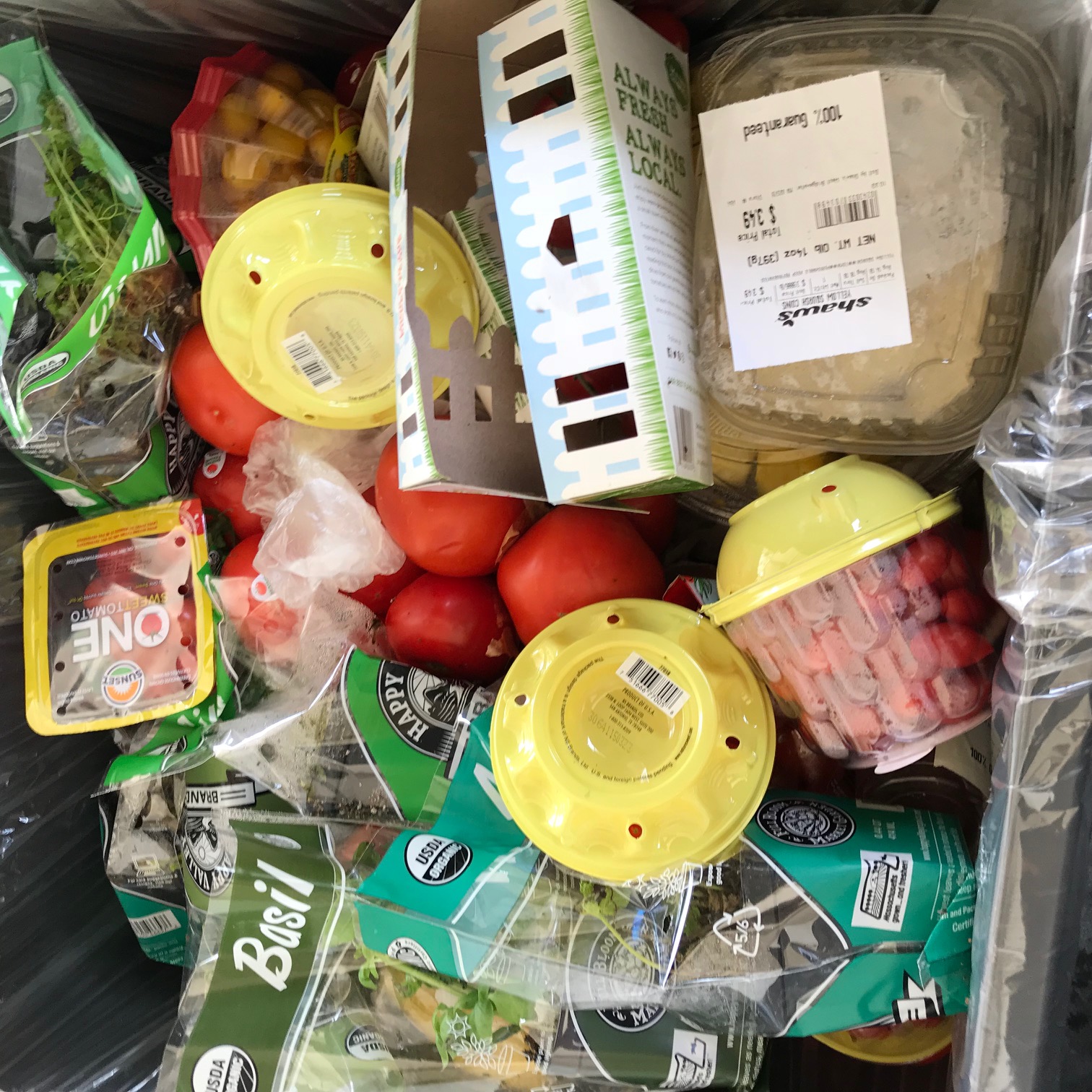
What this amendment really means for Maine?
This transformative legislation aims to bolster local food production across Maine. From small-scale subsistence gardening to raising backyard chickens, this amendment fortifies the power of local residents to grow and produce their own food, navigating around existing legal impediments.
Maine’s historic step of endorsing a state-wide “Right to Food” could potentially challenge persistent issues such as municipal zoning code restrictions, NIMBYism (Not In My Backyard), and food deserts that undermine the nation’s food system. Indeed, the ‘Right to Food’ bill was invoked in a recent court case to challenge a religiously-motivated ban on hunting on Sundays in Maine.
Food Sovereignty Act
It closely follows the Food Sovereignty Act, endorsed by Maine Governor Paul Le Page, intended to demolish legal hurdles and constraints hampering local food production across the state. This Act spurred municipalities to adopt food ordinances, facilitating the production, sale, and distribution of locally grown food.
Are other states enacting similar legislation?
 This wave of food sovereignty is not confined just to Maine. Colorado, Montana, and Wyoming have implemented similar policies. Colorado’s Ranch to Plate Act (2021), Montana’s Local Food Choice Act (2021), and Wyoming’s Food Freedom Act (2015) all share the common aim of increasing access to locally produced food.
Impacts
While the socioeconomic impacts of Maine’s amendment are still unfolding, it’s an undeniable stride towards a healthier, more equitable food system across the state. This legislation will hopefully fuel opportunities for food shelters and banks, while promoting subsidies for access to locally grown, culturally appropriate, and healthy food for those unable to grow their own.
Agri-Cycle Energy
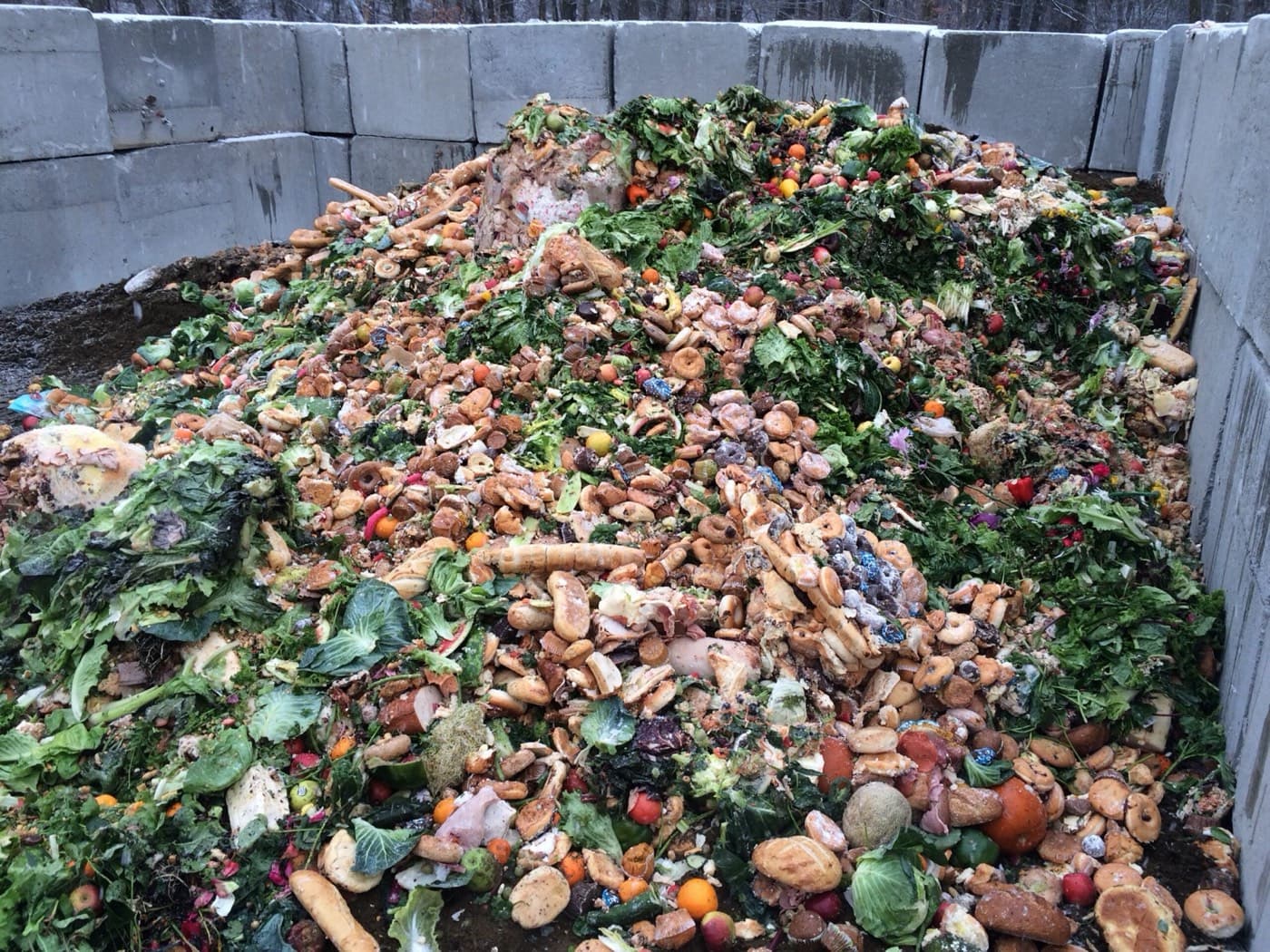
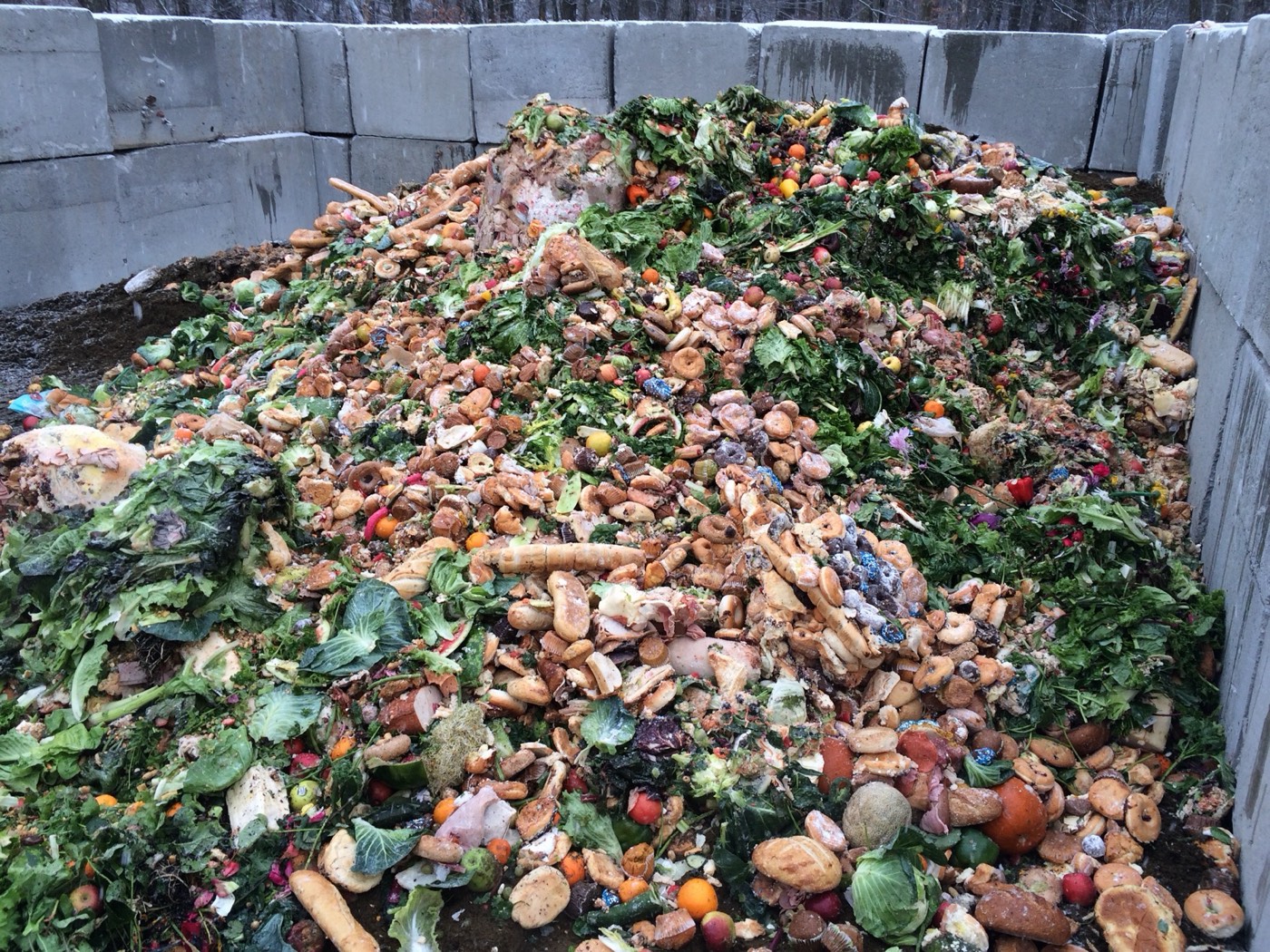
Agri-Cycle Energy, although functioning on the opposite end of the food system, plays a critical role in shaping a sustainable and healthy food system. It supports the reduction, repurposing, and recycling of food waste across New England. By partnering with Agri-Cycle, you can contribute to the local food system and complete the food lifecycle in an environmentally-friendly and beneficial way.
Sources:
https://www.cato.org/regulation/spring-2022/maines-mysterious-new-right-food