
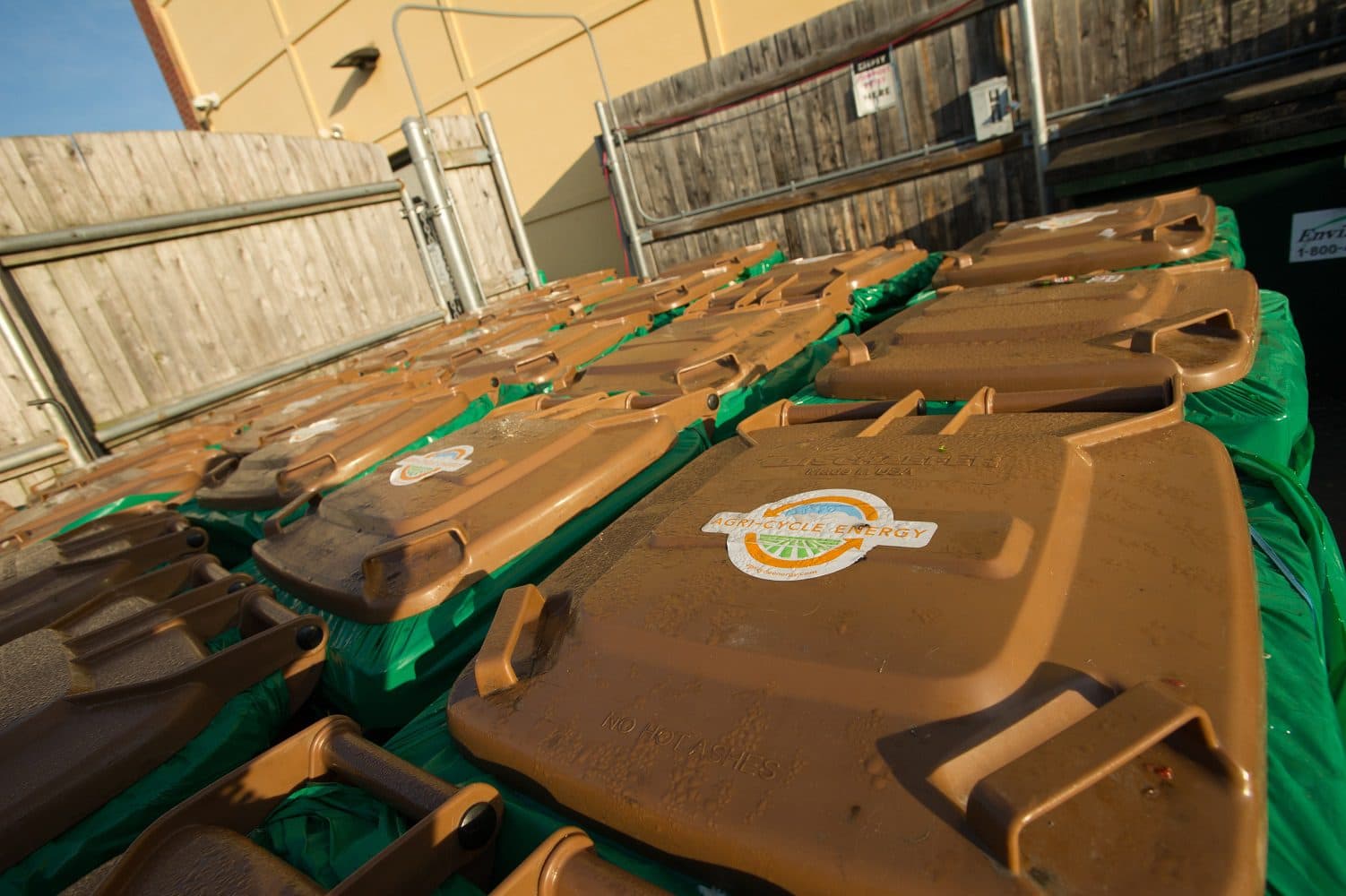
Toter Service
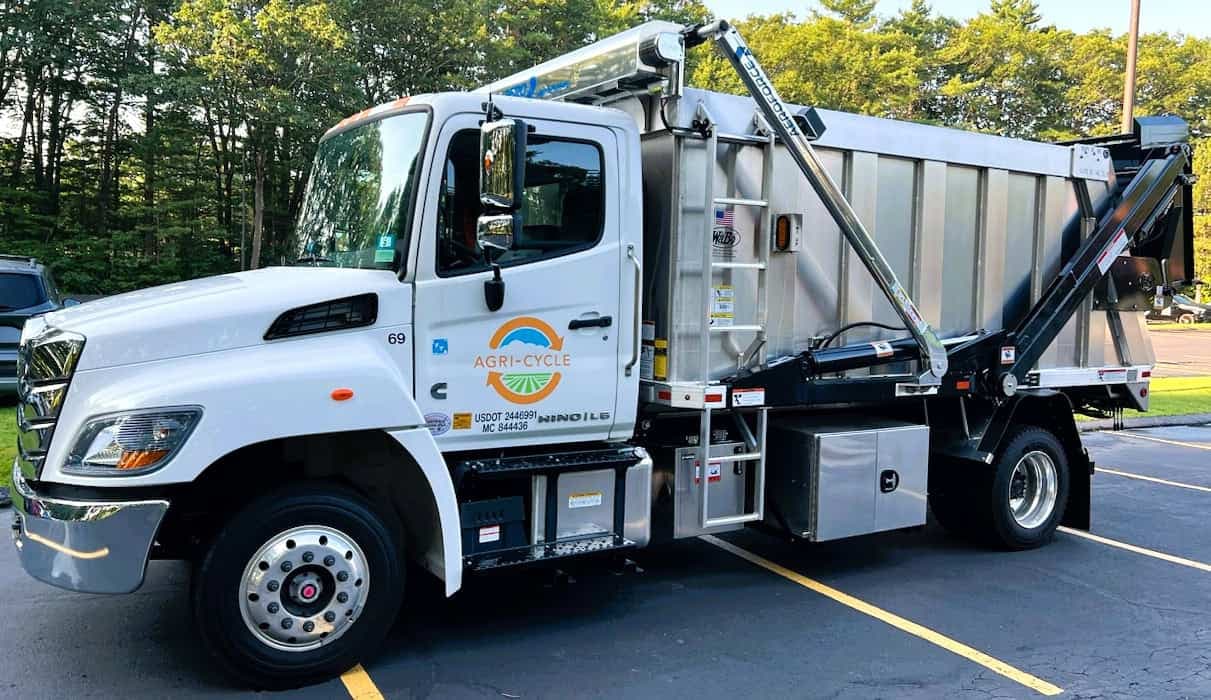
Scheduled route collection using 32- and 64-gallon totes, sized for crowded kitchens and busy loading docks alike.
- Grocers
- Restaurants
- Residential drop-off
- Universities & Schools
- Hospitals
- Municipalities
- and more
Now collecting in 14 states — Food Full Circle

Agri-Cycle is the premier organics recycling service in the United States. We convert wasted food and other organic streams into renewable energy, rich compost, and animal feed. Our priority is to support our partners in reducing and donating food before collection — when we say “Food Full Circle” we mean it.
Join the thousands of businesses who look to Agri-Cycle to achieve their sustainability goals.
0+
Collection locations
across the United States
0+
Commercial partners
from restaurants to national grocers
0
States served
and growing quickly
0
Serving since
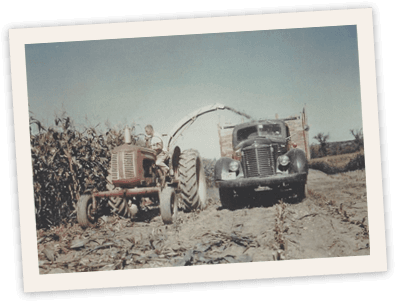
born from a fifth-generation dairy
Scheduled route collection using 32- and 64-gallon totes, sized for crowded kitchens and busy loading docks alike.
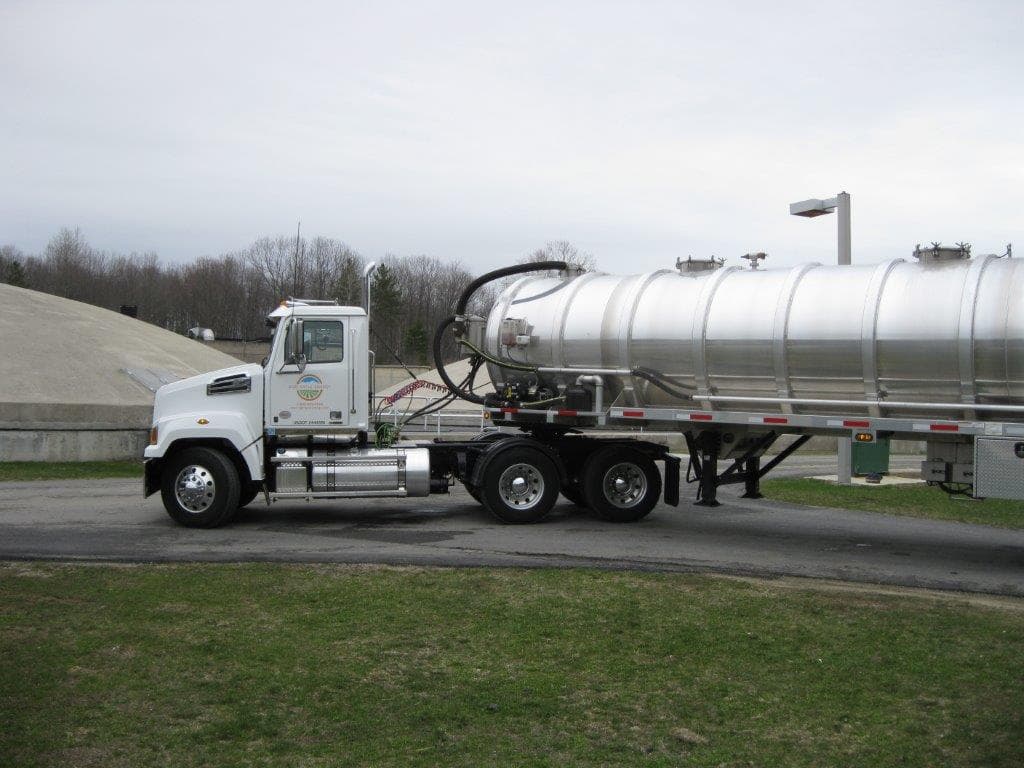
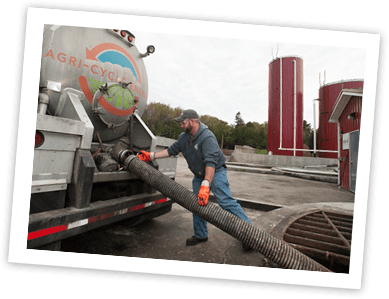
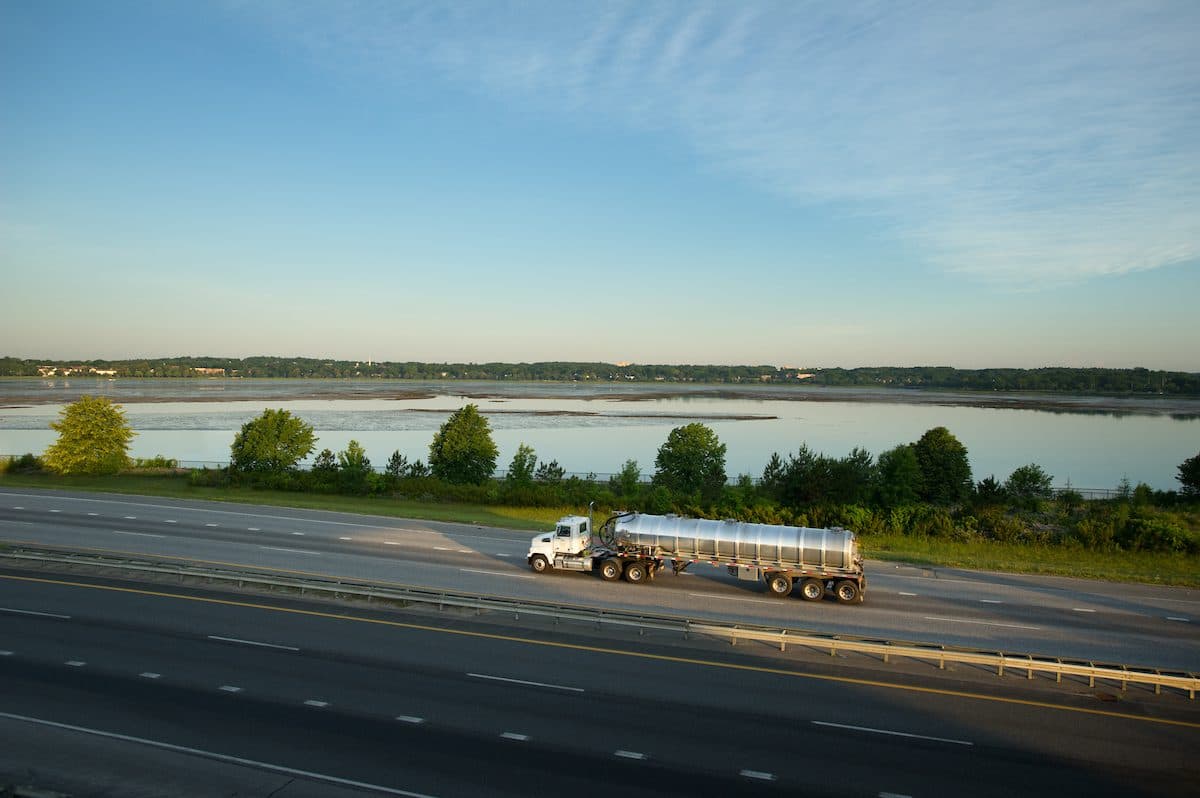
Vacuum-pump tanker trucks hauling up to 8,500 gallons for producers whose organics arrive by the thousand gallons.
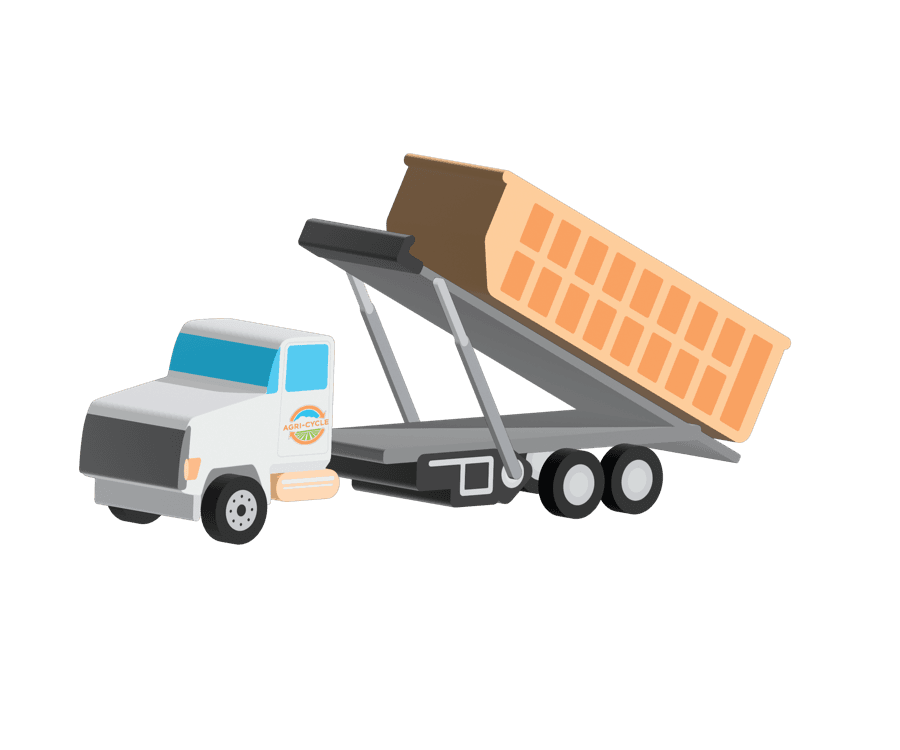
Roll-off containers, gaylord boxes and palletized pickups for mass loss, recalls and one-off events — nationwide.
Nothing we collect goes to a landfill or an incinerator. Follow a load of scraps around the loop — tap any stage to see what happens.
Wasted food
Stage 1 / 7
Stage 01
Produce, meat, seafood, dairy, brewery and industrial streams are collected from restaurants, grocers, brewers and institutions — packaged or loose.
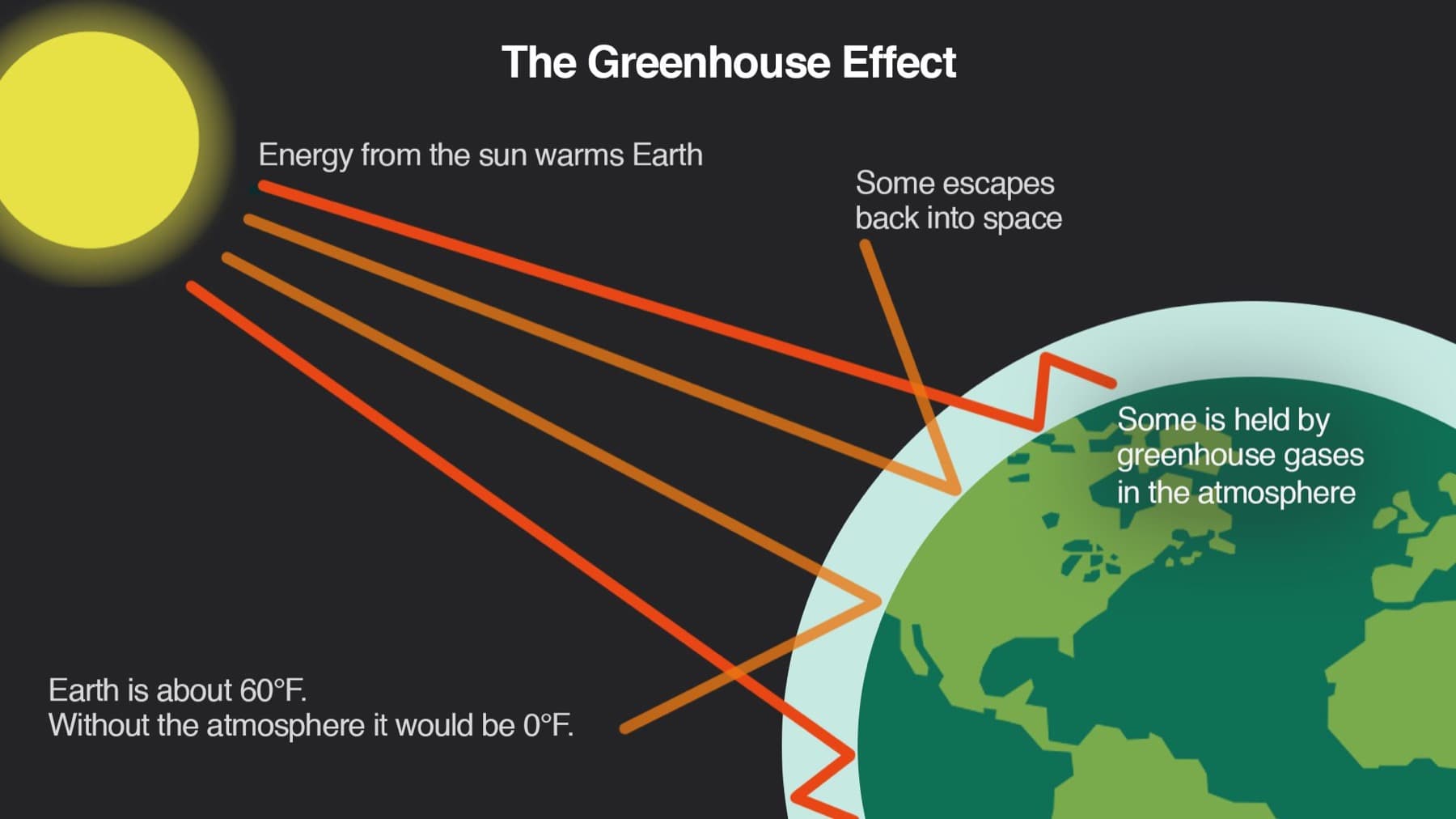
Unlike any other waste-management solution, anaerobic digestion captures and converts greenhouse gases into clean fuel and fertilizer. Think about that next time you're holding an apple core or spent coffee grounds and want to find a better way to manage them.
3rd
largest emitter
If global food waste were a country, it would be the third-largest contributor of greenhouse gases, behind only the US and China.
40%
of US food wasted
Nearly 40 percent of food produced in the U.S. is wasted each year, and the majority ends up in landfills where it converts to methane.
58%
of landfill methane
Food sent to landfill is responsible for 58% of landfill methane emissions released to the atmosphere.
27 yrs
of landfill capacity
There are only 27 years of median landfill capacity remaining in the U.S. — and less in population centers.
Agri-Cycle provides services to all food waste producers throughout the United States. Curious about how we can help you achieve your food waste recycling goals?
Does your state have a food-waste ban?
Tap a state to find out. Regardless of your state's laws, diverting scraps from landfill disposal reduces your trash and trash fees, cuts greenhouse gases, and creates renewable energy and farm products.
Vermont
Universal mandateUnder the Universal Recycling Law (Act 148), food scraps have been banned from the landfill for every generator — businesses and households alike — since July 1, 2020.
Tile positions are stylised, not geographic. Organics policy changes often and thresholds vary by facility distance and generator size — confirm current rules with your state, or check the ReFED Policy Finder, produced with the Food Law and Policy Clinic of Harvard University.
Large quantity / commercial bans
Many states place bans on businesses that produce large amounts of food waste — usually 50 to 100 tons annually, and in some states far less.
Residential bans
Some bans extend to residents as well, with a focus on removing food waste from individual households' garbage.
State-wide or city-wide bans
Many residential bans or incentives sit at the city or county level for large urban centers. Check whether one of your locations is covered.
Incentive programs
Some states instead provide tax breaks and other incentives for food donations or other higher-use situations.
Tell us roughly what you throw away and how far your trash currently travels. We'll show the greenhouse gases you'd avoid by sending it to a digester instead.
You would avoid, per year
0MT CO₂e
0 tons diverted0 kWh generated
0
gasoline cars off the road
for a full year
0.0
homes powered
with the electricity generated
0
tree seedlings grown
for ten years
0
gallons of gasoline
never burned
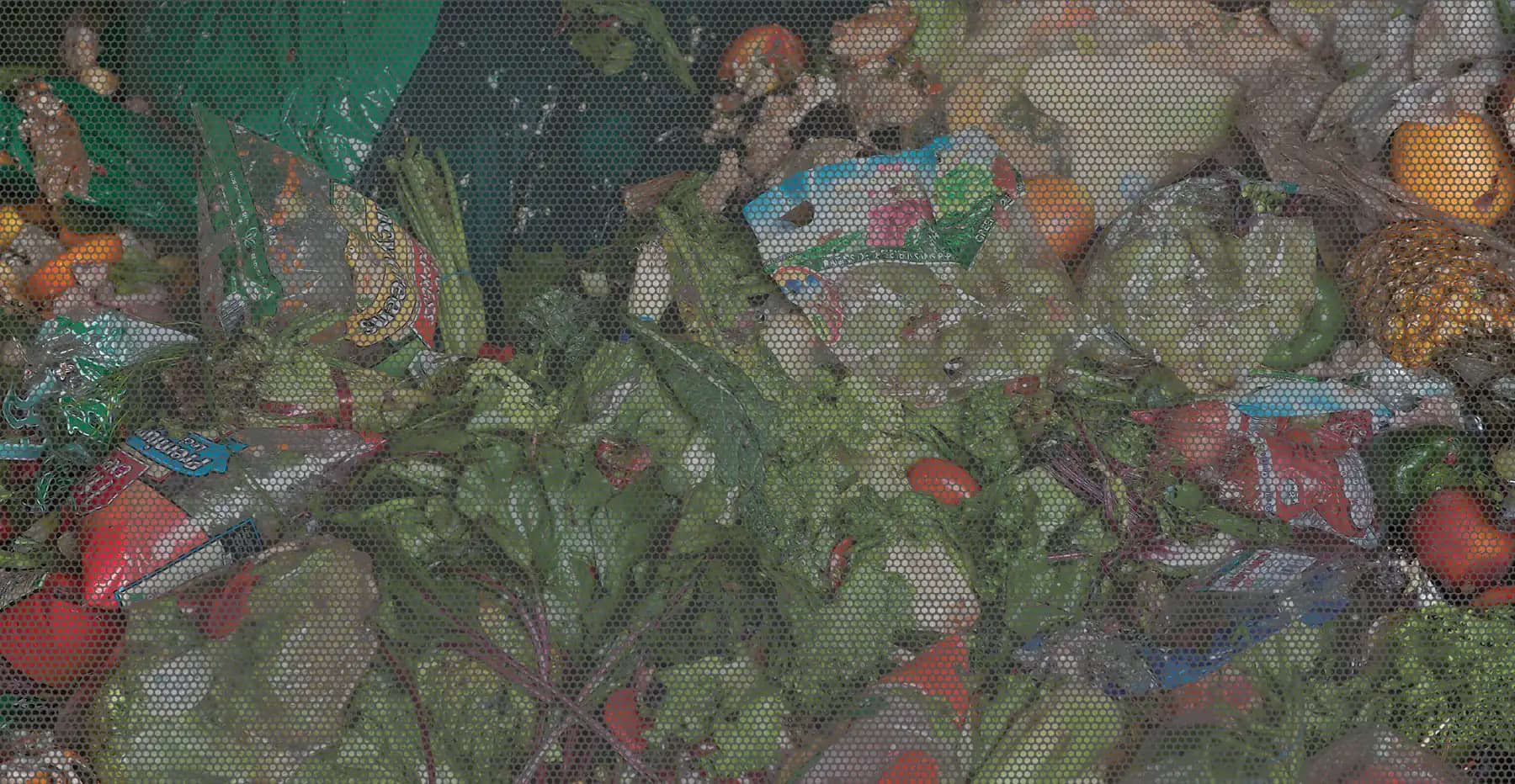
“What happens when the food scraps get to the processing facility?”
Get answers to this and other frequently asked questions.
Read the full partner profiles for the detail behind these quotes.
“We changed our composting vendor at the beginning of last year to Agri-Cycle and we are quite happy. The pickup process is more convenient and less work for our staff; we can send Agri-Cycle a wider variety of compostable food and products which means less sorting on site; and it is less expensive than our previous composting process and substantially cheaper than the landfill. Rarely are there solutions for waste streams that are convenient, less work, and less expensive, but we have found one.”
Kevin Bright
Sustainability Coordinator
Colby College, Waterville, ME
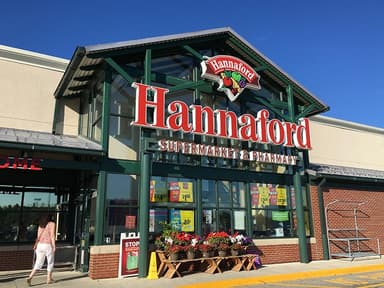
We collect from business partners throughout the region — from small restaurants to large grocery retailers



Call us today to discuss how we can customize an efficient collection service to meet your specific needs.