Environmental Impacts of Food Waste In the first part of our series, we delved into the staggering economic costs of food waste. But the implications don’t stop at our wallets. The environmental toll of discarded food is equally alarming, if not more so. From greenhouse gas emissions to water wastage and land misuse, the ecological…
Environmental Impacts of Food Waste
In the first part of our series, we delved into the staggering economic costs of food waste. But the implications don’t stop at our wallets. The environmental toll of discarded food is equally alarming, if not more so. From greenhouse gas emissions to water wastage and land misuse, the ecological footprint of wasted food is vast and multifaceted.
Major environmental impacts caused from landfilled food waste:
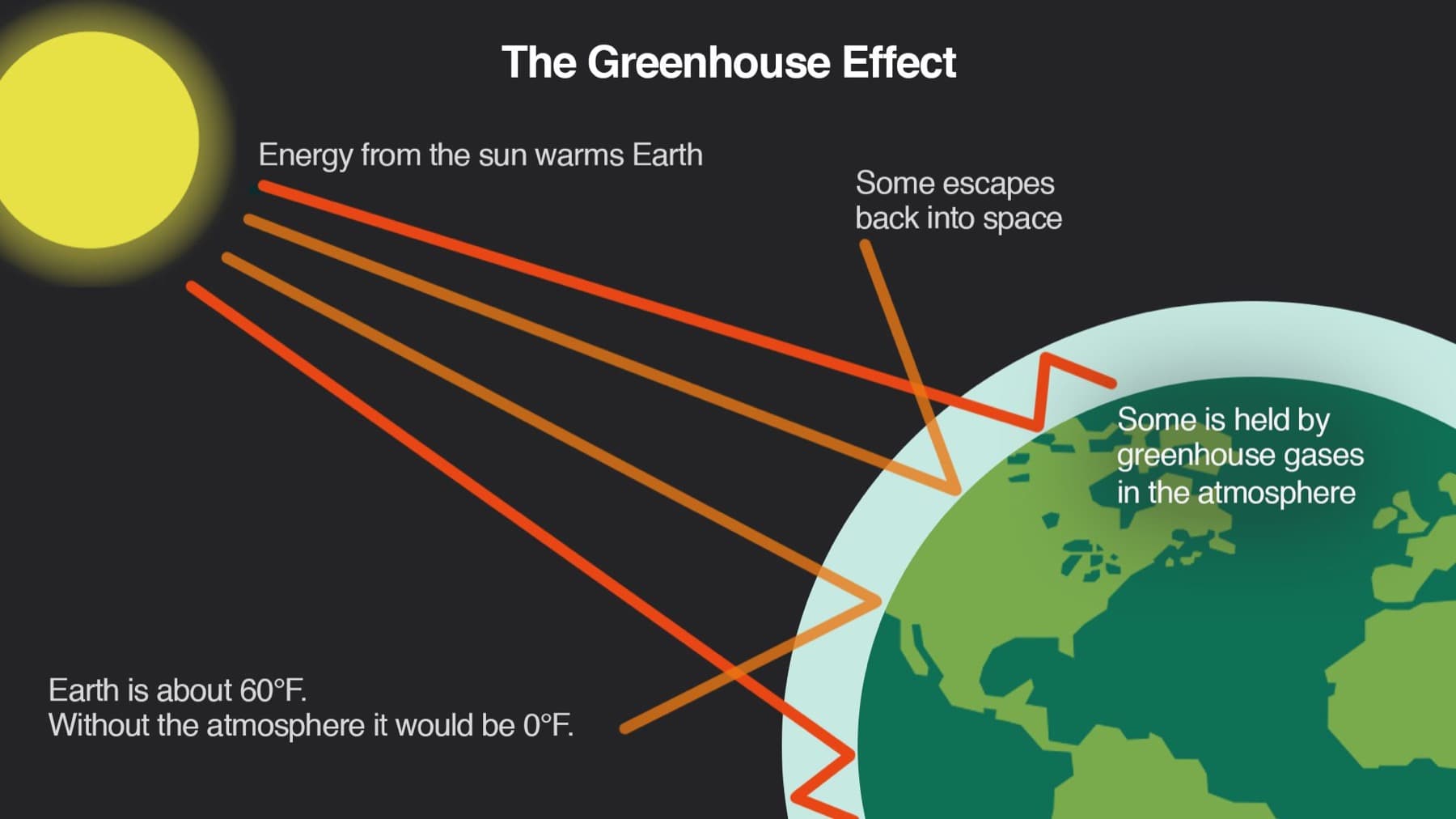
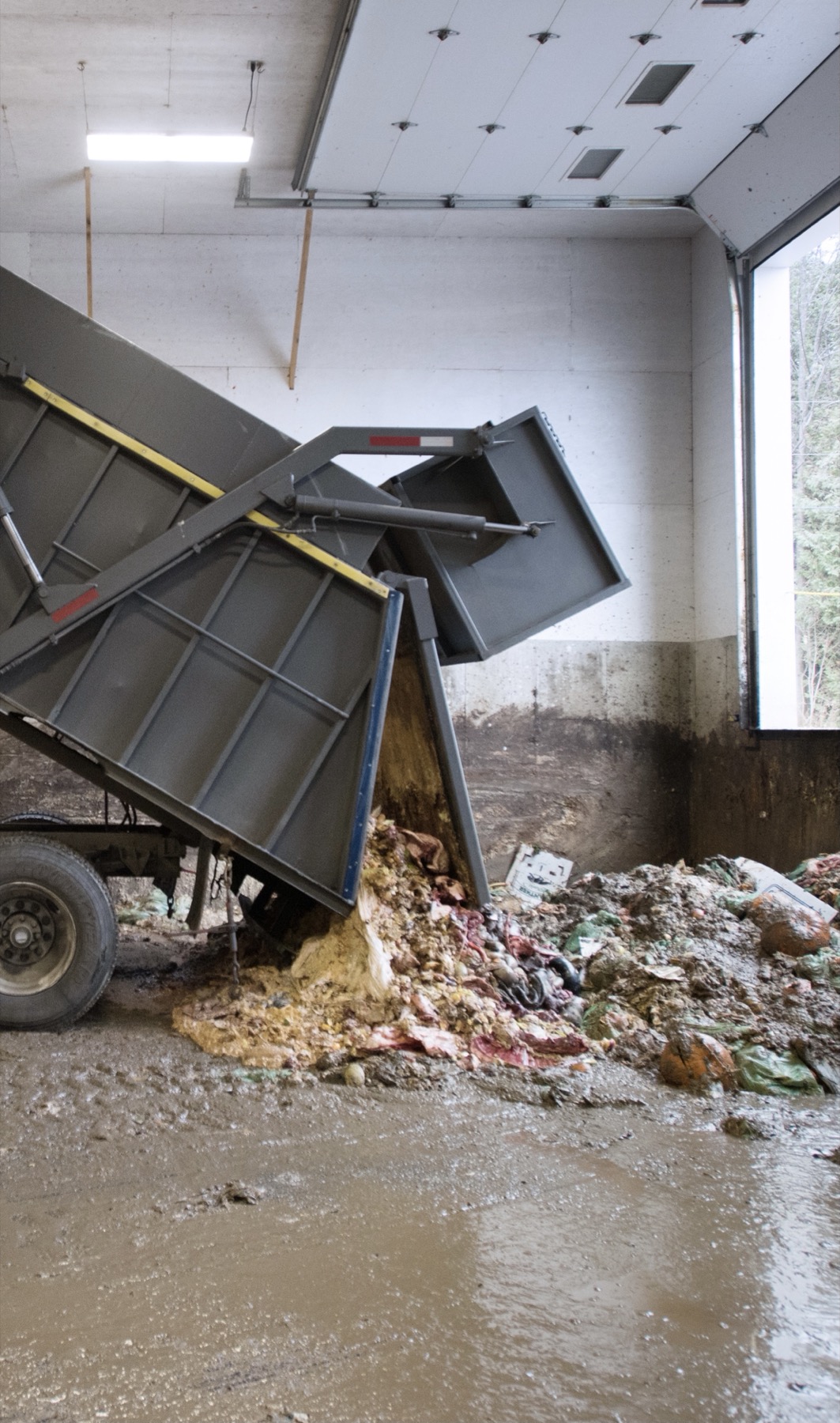
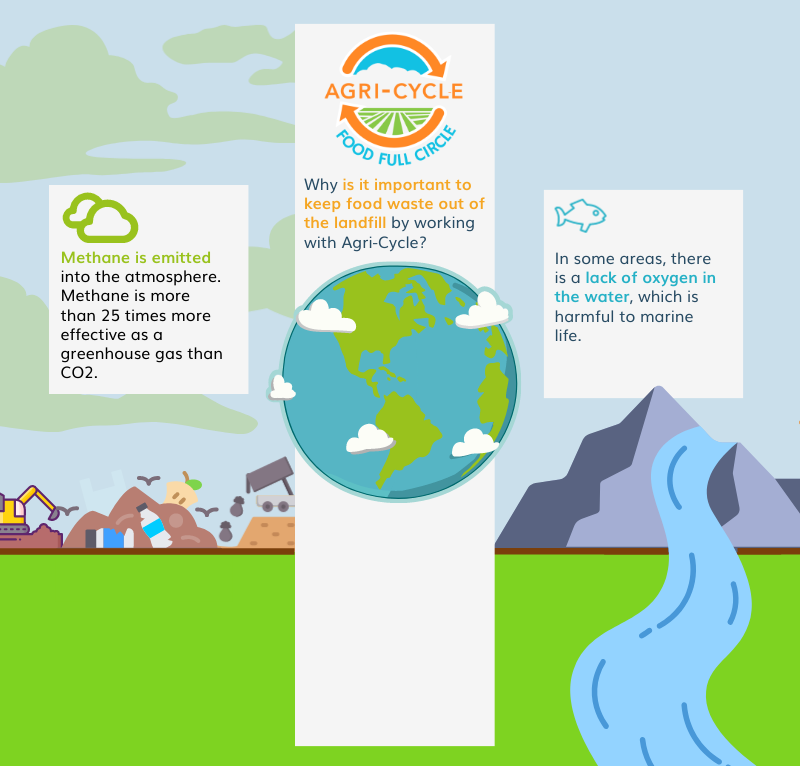
- Greenhouse Gas Emissions: When we think of pollution, images of factories and cars might come to mind. But did you know that food waste is a significant contributor to global greenhouse gas emissions? Decomposing food in landfills produces methane, a potent greenhouse gas.
2. Methane vs. CO2: While carbon dioxide (CO2) often takes the spotlight in climate change discussions, methane is the silent but deadly contributor. Methane is over 25 times more effective at trapping heat in the atmosphere than CO2 over a 100-year period, making its release from food waste a major environmental concern.
3. Water Wastage:The water footprint of food waste is immense. According to the Water Footprint Network, it’s estimated that globally, the water wasted on growing food that’s never eaten is equivalent to the annual flow of Russia’s Volga River, or three times the volume of Lake Geneva. Water is also often polluted by landfill byproducts like leachate.
4. Land Misuse: Land is a finite resource, and with increasing urbanization and population growth, it’s more precious than ever. The World Resources Institute states that globally, food that is produced but not eaten guzzles up a volume of land larger than the size of China. This not only represents a colossal waste of resources but also means we’re destroying natural habitats and biodiversity for food that never reaches our plates.
Action Items: Green Solutions to the Food Waste Dilemma
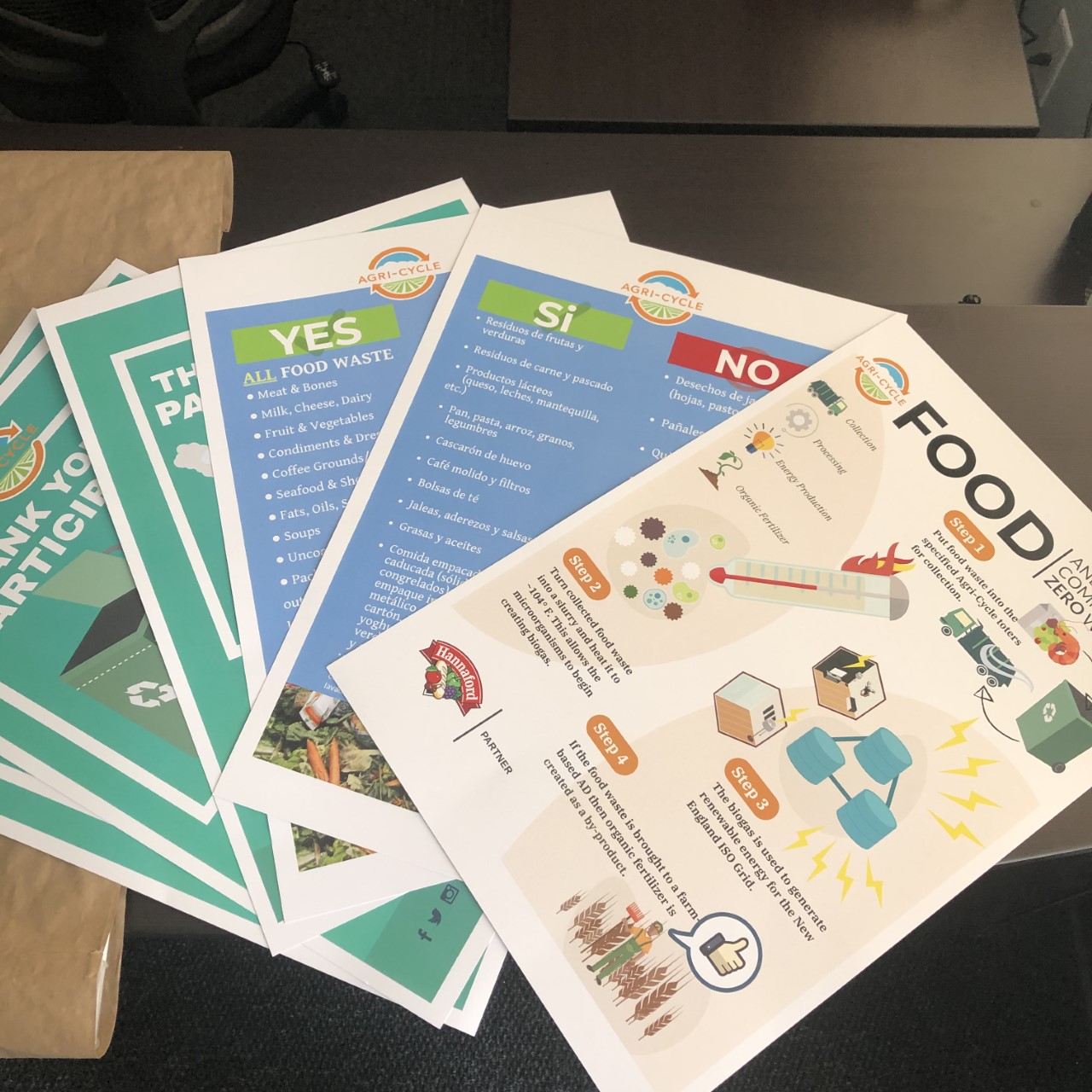
Reduce, Reuse, Recycle:Adopt the three Rs in your kitchen. Reduce food waste by planning meals, reuse leftovers creatively, and recycle food scraps by working with Agri-Cycle.
Support Sustainable Farming: Choose to buy from farmers and companies that use sustainable agricultural practices, which minimize waste and have a lower environmental impact.
Educate & Engage: Share knowledge about the environmental impacts of food waste with friends, family, and community. The more people know, the more they can make informed choices.
Advocate for Change:Push for policies that promote sustainable food production and waste reduction. This can range from supporting local organic farmers to advocating for national policies that address food waste head-on.
Embrace Technology: Use apps and tools designed to help reduce food waste, whether it’s by reminding you of expiration dates, suggesting recipes for leftovers, or connecting you with local food banks.
By recognizing the environmental repercussions of wasted food and taking steps to mitigate them, we can contribute to a greener, more sustainable planet for future generations.
Agri-Cycle is here to help
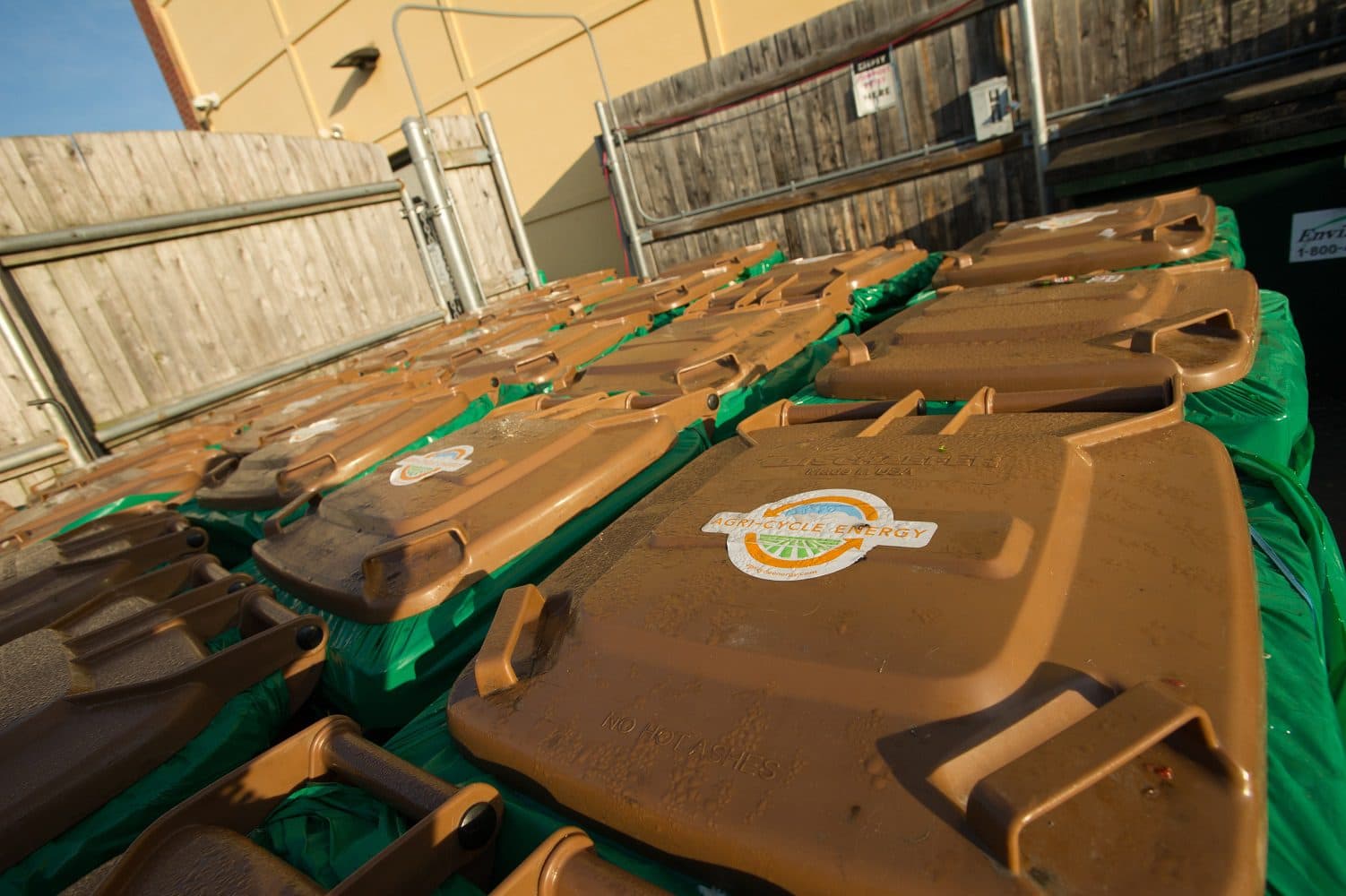
Agri-Cycle offers more environmentally-friendly solutions to landfilling your food waste! From ideas like reducing and repurposing your food waste to influencing your local municipality to sign on with Agri-Cycle Energy to service food waste toters that are FREE to use by all local residents, Agri-Cycle has your back! At Agri-Cycle, we’re proud to help businesses (and cities) throughout the northeast – from Maine to Maryland – find better ways of dealing with and reducing their food waste. Contact us to take your food full circle by getting a quote or calling us at 1-800-850-9560.
If you live between Maine and Maryland, you can bring them to your local Agri-Cycle drop-off site.